Healthcare or Health scare: Is the medical industry putting patients personal data at risk?
Apr 05, 2018
Whether we like it or not, our everyday lives are run by data. We must give our information in exchange for the most basic necessities: money, food, education, employment and health. But in doing so, are we being compromised? Since the dawn of the internet, cyber criminals have targeted our major industries, healthcare included. More vulnerable than a cupcake at a Weight Watchers meeting, our information is just waiting to be taken and passed on to the highest bidder, But shouldn’t there be i...
Government attempts to break encryption
Mar 07, 2018
“A new bill is making it’s way through the Australian government at the moment, and if passed into law it will have severe consequences” warns NordVPN.
Mandatory Data Breach Notification Scheme in effect
Feb 12, 2018
For quite some time, businesses have been able to self manage their IT problems and most importantly their security breaches, when I say breaches I mean possible hackers who could be trying to get your personal information. On February 22nd those security breaches will no longer be “self managed”, as the Australian Government has finally made it so businesses are legally obliged to report such incidents, there has been many failed attempts to bring this scheme to light, many different Governm...
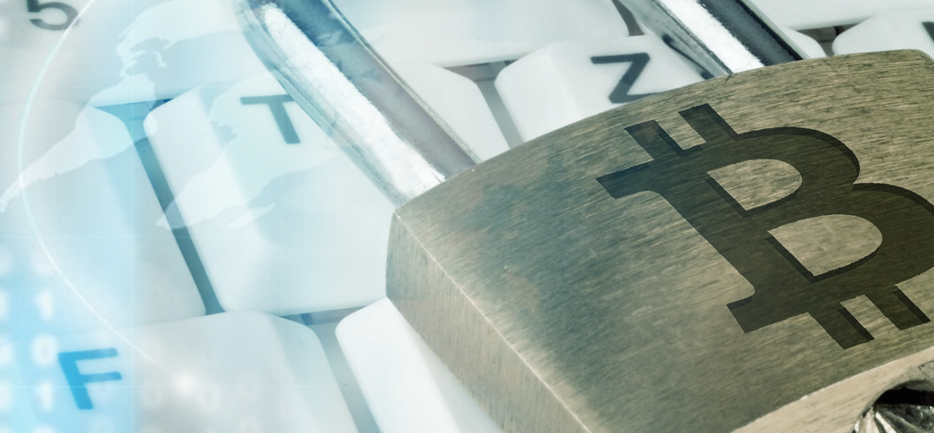
Bitcoins becoming mainstream and why it’s important to protect them from hackers
Feb 12, 2018
Bitcoins is and most likely will always be the biggest mystery to hit the internet, for those of you who haven’t really heard of bitcoins or have absolutely no idea what I’m actually talking about here is a quick history lesson.
Australian Government reckless with medical data
Feb 12, 2018
Do you feel it’s important to keep some of your medical history or current medical conditions to yourself? Maybe you’re not ready to tell people? Maybe you just want to keep it between you and your medical professional?
Importance Of Encryption In The Workplace
Jul 18, 2017
Encryption, it’s a topic we use often within our blogs, it’s also a topic a lot of people decide not to take seriously, primarily because they struggle to understand how it can affect them personally. This could be caused by several reasons, one they just don’t care and feel they don’t need to be protected, two they struggle to understand what encryption actually is and how it can protect all their personal information and data.
Why Government Mandated Backdoors put us all at Risk
Jun 23, 2017
In a previous blog “CITIZENS NOT SUSPECTS” I emphasised the security vulnerabilities surrounding metadata, and how the government wanted major telecommunication companies, such as Telstra to keep all their metadata so law enforcement could access it on demand. I also mentioned how I felt it couldn’t get any worse; however, I was wrong.

Citizens not suspects
May 21, 2017
Many Australians may have little to no knowledge on what metadata is or how it actually affects them. So you’re probably wondering what is metadata? Well, the simplest way to describe metadata is everything you do on a phone or online creates data that is basically a footprint, this data doesn’t show things such as what your text message to your mother or father said nor does it record what you said on the last phone call you had, but instead shows what time you sent the message, the location...
Smartphone Encryption: The Information You Need to Know
Mar 03, 2017
Law-enforcement demand that Apple, Google and app makers decrypt their devices and services, or else provide “back doors” by which they can read data and messages. Technology companies respond that because encrypted data is fundamental to privacy, helping law enforcement would be betraying their clients. Also politicians who have no concept of the issue nevertheless have a lot to say about it.
The need for digital security is increasing
Feb 09, 2017
Recent hacks on US law firms reinforces the need for increased Cyber Security In the wake of a yet another cyber attack on a number of US law firms, the legal industry must respond to protect their practices & their clients confidential information. In 2016, there were a number of major law firm hacks – including the leak of top-secret documents from Panamanian law firm Mossack Fonseca and the M&A hack attack by a Russian cyber criminal who targeted 48 elite law firms including Hogan ...